
Professional Tree & Plant Health Care in Alderwood, WA
Protecting Your Trees' Health and Vitality
Your trees are an investment in your home’s landscaping, environment, and your quality of life, as well as contributing to increased home values. However, your trees are constantly at risk from disease, pest insects, weather-related stress, and nutrient deficiencies, which can harm your trees and shorten their lifespan. Alderwood Manor Tree Care provides its customers with comprehensive Plant Health Care (PHC) programs designed to minimize risks to your trees from disease and pests and promote optimal growth for the healthiest possible trees.
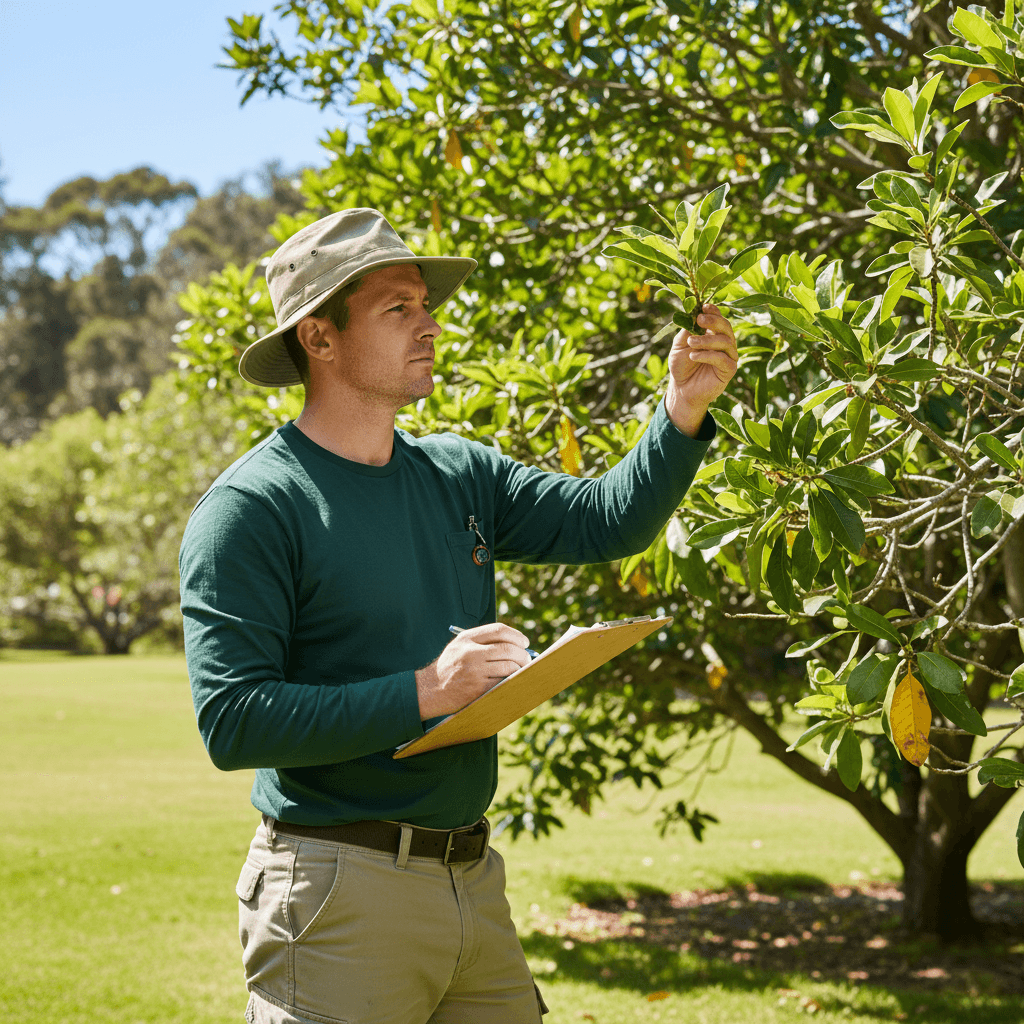
Alderwood Manor Tree Care’s certified arborists apply the scientific principles of tree biology along with years of experience and practice in tree health management to diagnose and treat tree health issues in the Pacific Northwest region. Our certified arborists do not merely react to apparent signs of tree health issues – we actively identify and address root cause(s) of tree health issues on an ongoing basis prior to them becoming serious enough to require treatment. In addition to addressing root cause(s), Alderwood Manor Tree Care’s certified arborists also proactively implement preventative measures to help ensure that your trees remain healthy throughout each growing season.
If you have a specific issue with one or more of your trees, wish to protect valued trees from potential threats, or would like to improve overall tree performance in your Alderwood area landscape, Alderwood Manor Tree Care will work closely with you to provide the professional service required by your trees to grow optimally under Alderwood’s local climatic and soil conditions.
Get A Free Quote
Comprehensive Tree Health Care Services
Complete Solutions for Tree Wellness
Our plant health care programs offer a complete solution to all aspects of tree health, from their root system to their canopy foliage.
Diagnosis and Treatment of Tree Diseases – Tree diseases can be minor cosmetic issues, or they can be fatal systemic infections. Our trained arborists will diagnose the disease that is causing you concern about your tree; differentiate it from other conditions that may appear to be the same; and formulate a treatment plan specifically designed to meet your needs. We will treat fungal diseases, bacterial infections, viral diseases, and physiological disorders based on the specific characteristics of the disease and its host tree.
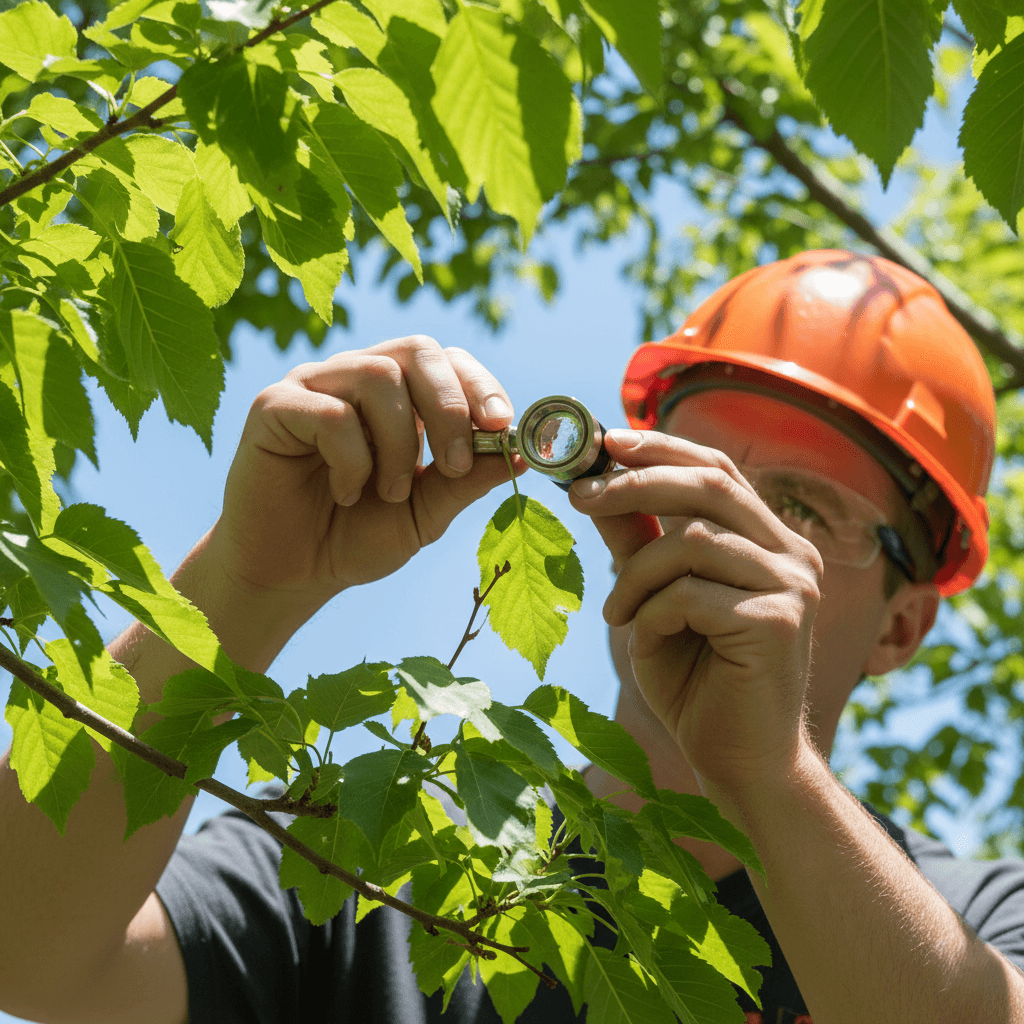
Insect and Pest Management – Trees are affected by insects in many different ways. Some feed on foliage, some bore into wood, and some act as vectors to transmit diseases. We will accurately determine what pest species are present; evaluate the level of damage caused by those pests; and apply management strategies that include biological controls, cultural practices (pruning, thinning), and targeted pesticide applications when thresholds warrant such treatment.
Nutrition Programs and Fertilization – Trees need an adequate supply of essential nutrients to grow, resist insect and disease attacks, and tolerate stressful growing conditions. We visually evaluate the nutritional status of your tree(s); take soil samples to determine the pH, nutrient content, organic matter, and physical properties of the soil; and formulate a fertilization program that delivers the necessary nutrients at the right time and place to maximize the utilization of the applied fertilizers. Our deep-root fertilizers deliver nutrients directly into the root zone of the tree, where they are most readily absorbed.
Soil Evaluation and Amendment – Problems associated with the soil can severely limit the health and well-being of your tree(s), regardless of how well you may be irrigating and fertilizing. We will collect and test soil samples to evaluate the pH, nutrient content, organic matter, and physical characteristics of the soil, and recommend and implement soil amendments to correct identified deficiencies and improve the overall quality of the soil for optimal root development.
Irrigation and Watering Management – Over-watering and under-watering both cause stress to trees and create an environment conducive to the attack of pests and diseases. We will evaluate whether you have sufficient irrigation to meet the needs of your tree(s) and provide recommendations on irrigation schedules, methods, and quantities that are appropriate for the species of your tree(s), the type of soil, and the time of year.
Structural Support Systems – Trees with weak branch attachments or structural weaknesses will benefit from the installation of cable and/or brace systems to prevent failure and allow continued enjoyment of the tree. We will design and install cable and/or brace systems that follow recognized industry standards and extend the safe and useful life of structurally defective trees.
Root Management – Many root-related problems, which may be expressed as canopy symptoms, exist in trees, including girdling roots, soil compaction, construction damage, and root diseases. We use a variety of diagnostic techniques to locate and evaluate root problems, and we offer a wide range of treatments to alleviate these problems, including air spading and root pruning, soil decompaction, and mycorrhizal inoculations.
Seasonal Monitoring of Tree Health – The health of your tree(s) changes over the course of the seasons due to changes in weather, emergence of new pests, progression of existing diseases, etc. By conducting regular seasonal evaluations of your tree(s), we can detect potential problems before they become significant and treat them when the cost and availability of treatment options are most favorable.
Common Tree Diseases in the Pacific Northwest
Regional Disease Identification and Treatment
Tree health problems due to the dampness and cooler temperatures found in the Pacific Northwest are unique to this area. Our knowledge of these diseases will enable us to accurately diagnose your problem and develop an effective plan for treatment.
Root Rot Diseases – (Armillaria root rot, Phytophthora root rot, and others) affect many tree species in the Pacific Northwest. If left untreated, they will cause the tree to slowly decline and eventually die. Root diseases are diagnosed by assessing symptoms and laboratory testing, followed by developing a management strategy that could include improving soil drainage, applying fungicides, and removing diseased material.
Leaf Spot and Blight Diseases – Leaf spots and blights are caused by several fungal pathogens that infect ornamental and shade trees. While leaf spots and blights may be primarily aesthetic issues, they also cause stress to the tree, which results in reduced growth and vigor. We identify the specific pathogen and provide fungicides at times that interrupt the disease cycle.
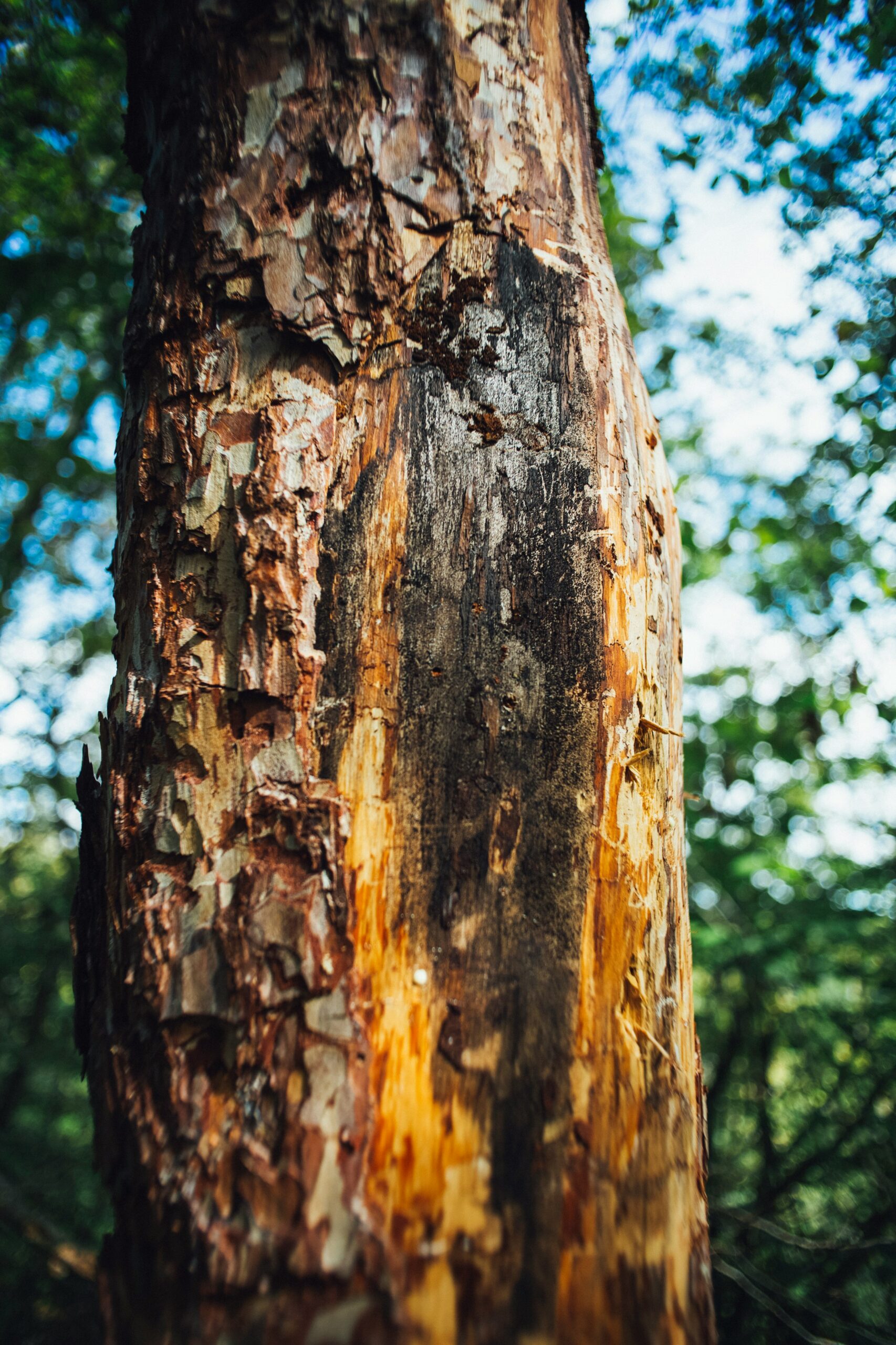
Canker Diseases – Cankers are areas of dead bark and wood that weaken branches and trunks, and can result in branch breakage. Stressed trees are most commonly affected by canker diseases such as Cytospora canker and Nectria canker. We address canker diseases by increasing the overall vigor of the tree, by pruning out the infected branch, and by protecting any wound from further pathogen invasion.
Powdery Mildew – This is one of the most common diseases caused by fungal pathogens that produces a white, powdery coating on the leaves of susceptible species. Powdery mildew is rarely fatal; however, it does severely impact the photosynthetic capabilities of the tree and is a major source of aesthetic concerns for ornamental plantings. We use fungicides and cultural practices to manage powdery mildew.
Rust Diseases – Many different types of rust fungi produce orange or brown pustules on the leaves and needles of susceptible species. Some examples of rust diseases include cedar-apple rust, pine needle rust, and many others. Rust diseases have alternate hosts and are best managed by removing alternate hosts when possible, and by using fungicides on high-value trees.
Fire Blight – Fire blight is a bacterial disease that causes scorch to apple, pear, and related ornamental trees. Fire blight has the potential to rapidly spread throughout a tree, killing it. The best course of action is to carefully prune out all infected tissue, to spray the tree with copper to help prevent additional infections, and to administer antibiotics when necessary.
Verticillium and Fusarium Wilts – Verticillium and Fusarium wilts are both soil-borne fungi that enter the tree through its roots and plug the water-conducting tissues of the tree. Infected branches wilt and die progressively until all of the branches on the tree are affected. Since there is no known cure for either of these diseases, our approach to managing them is to improve the overall vigor of the tree, remove the infected branches, and apply fungicide drenches in extreme circumstances.
Anthracnose – Anthracnose is another term for a group of fungal pathogens that cause leaf blight and defoliation on a variety of deciduous tree species, including sycamore, maple, ash, and many others. When anthracnose repeatedly defoliates a tree, it can weaken the tree significantly. To control the effects of anthracnose, we recommend implementing fungicide programs early in the growing season to protect the tree from infection during the peak period of disease pressure in the spring.
Common Tree Pests and Control Strategies
Controlling Insects Effectively
Pacific Northwest trees have many pests. The knowledge of the biological characteristics of these pests will allow you to target them for effective management.
Aphids – Aphids are a common pest. They are a small, sucking type of insect. Aphids produce honeydew, which can attract soot to form mold. They tend to cluster on new growth on trees and distort new growth. Typically, most aphid infestations are simply cosmetic; however, if the aphid populations become severe enough, they will stress the tree. Aphids are managed using insecticidal soap, horticultural oil, and attracting natural predators such as ladybugs.
Scale Insects – Scale insects are divided into two categories: armored and soft scale. Both types of scale insects feed off the sap of trees. As the scale insects consume the sap, it weakens the tree. If an infestation becomes severe enough, the tree will experience branch die-back and decline. The timing of when to treat scale insects is extremely important. Horticultural oils and systemic insecticides need to be applied during the time when the vulnerable crawler stage of the scale insect is present on the tree.
Spider Mites – Spider mites are tiny relatives of spiders that feed on the underside of leaves. The feeding process of spider mites creates stippling and discoloration of the leaves. When there are hot and dry weather conditions, the spider mite population explodes. Spider mites are controlled by applying miticides, horticultural oils, and providing adequate irrigation to improve the humidity of the area to help suppress the mite population.
Tent Caterpillars and Webworms – Tent caterpillars and webworms are both large moth larvae that build either a tent or a web in the canopy of a tree to protect themselves from other predators. While the appearance of tent caterpillars and webworms can be aesthetically unpleasing, the majority of healthy trees can tolerate the loss of foliage due to their presence. Tent caterpillars and webworms can be removed mechanically when possible or treated with targeted insecticides when the infestation is severe.
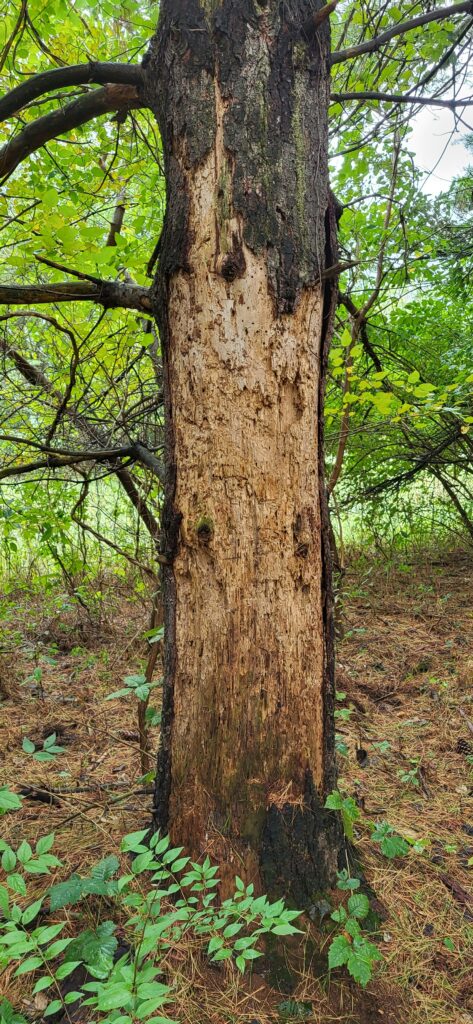
Bark Beetles – Bark beetles are several species of insects that attack stressed conifer trees by boring into the bark of the tree and creating openings for fatal fungal diseases. Preventing bark beetle attacks through maintaining the vigor of trees is critical since once the bark beetles infest a tree, the tree is usually dead. Identifying trees that are at risk of bark beetle attacks, along with implementing preventative care, is recommended.
Borers – Borers are wood-boring insects that have larvae that live inside the sapwood and heartwood of a tree, weakening the structure of the tree and potentially killing it. There are many different species of borers that affect many different species of trees, including bronze birch borer, flatheaded borers, and clear-winged borers. Borers can be treated with systemic insecticides, increasing the vigor of the tree, and/or removing severely infested trees.
Leaf Miners – Leaf miners are insects whose larvae eat between the layers of a leaf surface, creating serpentine mines or blotches on the leaf. Generally, leaf miners do not threaten the health of a tree; however, the damage caused by leaf miners can be aesthetically displeasing on ornamental trees. Leaf miners can be treated with systemic insecticides; however, treatment is generally not necessary because leaf miners typically do not harm the tree.
Adelgids and Psyllids – Adelgids and psyllids are specialized insects that feed on specific host plants. Hemlock woolly adelgid feeds on hemlock trees, while psyllids deform new growth on many different species of trees. Adelgids and psyllids can be managed differently depending on the pest, and may include systemic insecticides, horticultural oils, or biological controls.
Japanese Beetles – Japanese beetles are adults that skeletonize leaves, while their larvae (grubs) feed on grass roots. Japanese beetle populations vary by year and can quickly defoliate preferred host trees. Targeted insecticide applications during adult emergence can protect high-value ornamental trees from Japanese beetle damage.
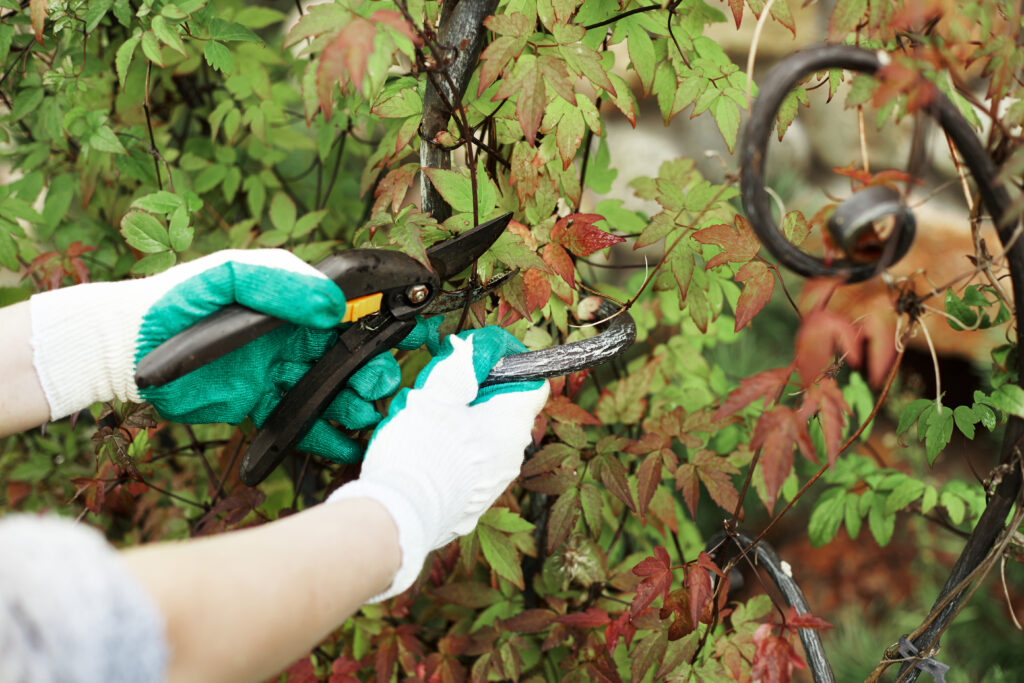
Tree Risk Assessment and Structural Support
Assessing Risks to Preserve Trees
Structural support systems may allow a tree with structural problems to have its useful life extended safely.
Level 2 & 3 Tree Risk Assessments – Arborists who are certified by the International Society of Arboriculture (ISA) evaluate structural integrity and defects in a tree, identify potential target areas for damage, and assess the overall risk of a tree. Reports from each assessment detail the results and provide recommendations to mitigate risks associated with identified problem areas in a tree.
Cable Support Systems – Flexible steel cables are installed in the upper canopy of a tree to provide supplemental support to the weak union of branches within a tree. The probability of failure during a storm will be reduced by installing these cable systems on your trees. Cable systems are designed and installed according to industry standards, which include the specification of how to place the cables, what type of hardware to use, and how to properly install the cables.
Bracing Systems – Rigid bracing systems installed at weak unions of a tree will provide additional structural support for severely compromised structures of a tree. Cables will often be used in conjunction with rigid bracing systems because they are less intrusive than rigid bracing systems.
Support Props – Large horizontal branches need to be supported vertically by either a prop or a special support system. When we install a prop, it supports the weight of the limb, yet still allows for an aesthetically pleasing appearance of the tree.
Monitoring and Maintaining Structural Supports – All structural supports require regular inspections and adjustments to continue to function effectively as a tree continues to grow, and to ensure that all of the components of the structural support system do not fail due to wear or other issues that would require maintenance.